
When purchasing a home, having an inspection completed is vital before you make the final commitment. To get as far as having made an offer, we understand that you’re probably already attached to the home and maybe have already started picturing your future with it. However, it’s important not to put the cart before the horses, so to speak, because your home inspection could reveal that the house is in less-than-optimal condition, saving you from unpleasant surprises and expensive future repairs.
Knowing what to look out for when you receive the results of the home inspection will go a long way in keeping your family and wallet safe down the line. Here’s a list of red flags that may indicate potential issues, requiring further investigation.
What Is a Home Inspection?
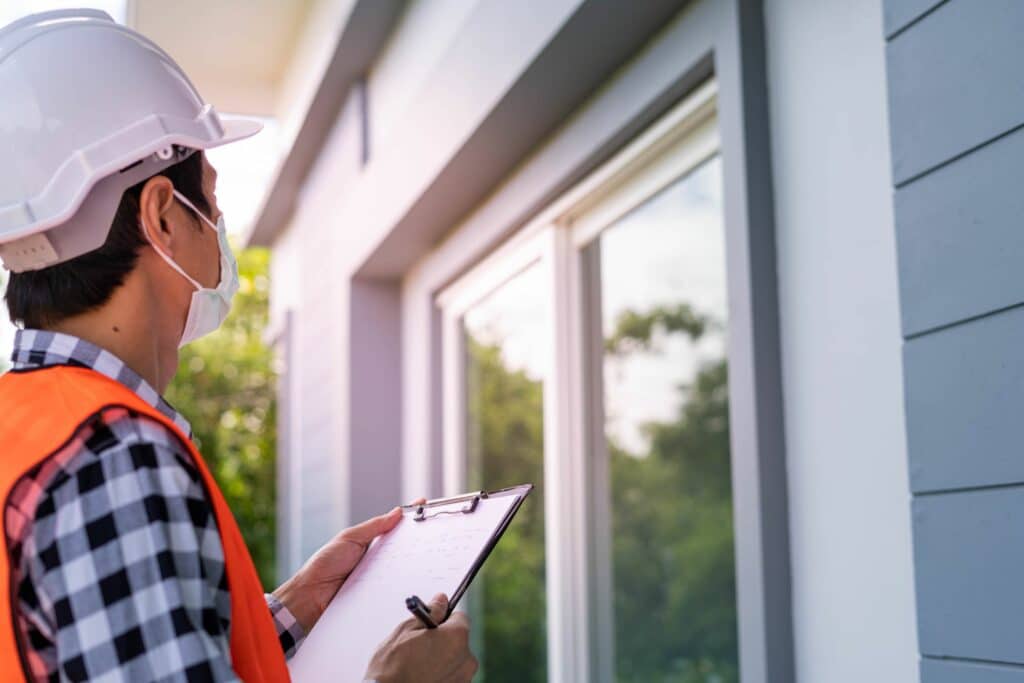
A home inspection is a safety and quality assessment of a property that is going to be sold. A certified and independent inspector from a professional organization examines the structural aspects of the home, its heating and cooling systems, plumbing, electrical work, water, and sewage systems to ensure they are all functioning properly. The overall condition of the property is also assessed for fire and safety issues, damages, and anything else that can affect its value.
Some types of damage that impact a home’s value can be seen quite clearly, even by an inexperienced individual. An experienced inspector, however, will know where and how to look for certain issues that are less obvious or not readily apparent. Furthermore, they will know how to evaluate the monetary value of the home that is impacted by that damage, so you can rest assured you're getting exactly what you pay for.
1. Sewer and Plumbing Issues
Signs of flooding in the basement, heaved walkways, and standing water in the yard may all be signs that the property has drainage issues. Whether the home is new or old, drainage and sewage issues can arise for a variety of reasons, but the most common is some type of obstruction to the sewage line, such as underground roots. Sewer and drainage lines can cost several thousands of dollars to repair, so beware of this red flag in a home inspection!
Sewer and drainage repairs typically run from about $1,400 to $5,300, but a full main-line replacement can climb to $10,000 to $15,000. A reasonable price reduction tracks the contractor's written estimate, so expect to ask for somewhere in the $3,000–$10,000 range depending on whether it's a spot fix or a full replacement. Get a camera-inspection quote documented before negotiating, since that pins down the exact scope.
2. Foundation Issues
Perhaps one of the most serious red flags to watch out for is signs of foundation and structural issues. These can range from a small amount of settlement over time to serious subsidence problems, and they often reveal themselves in uneven floors, doors and windows sticking, cracked sidewalks and porches, and cracked walls. If foundation or structure issues are ever identified in a home inspection, always contact a structural engineer to learn more about its extent and what it would require to repair.
Minor fixes like crack sealing may cost only a few hundred dollars, but serious structural work involving piering or leveling commonly runs $10,000 to $30,000 or more; the national average for foundation repair sits around $5,176, or between $2,225 and $8,135. Beyond the repair bill, documented foundation problems tend to depress resale value by roughly 10–15% even after fixes because of lingering buyer wariness, so your reduction should reflect both the engineer's estimate and that stigma. Always base your number on a structural engineer's written report rather than the inspector's note alone.
3. Electrical Issues
Outdated or faulty electrical systems pose a fire risk and can be expensive to update. Look for mentions in the survey of old-fashioned fuse boxes, a lack of sockets, or an absence of residual current devices (RCDs) for safety. If your home inspection reveals extensive electrical issues, there is a chance that the home’s entire electrical system will need to be overhauled, which will require opening up the walls (adding to the costs). There really is no easy or inexpensive way to update the electrical system, so this should be factored into the cost of the home.
Swapping an outdated fuse box for a modern breaker panel typically costs between $1,500 and $4,500, while a full rewire of an older home runs about $6 to $10 per square foot, or between $12,000 and $20,000. Because rewiring means opening walls and repainting afterward, push for the upper end of any estimate. For a home needing a complete overhaul, a $10,000–$20,000 price concession is reasonable.
4. Roof
The roof of any home is one of the most important aspects to ensure its safety and structural integrity. However, wind damage, UV damage, water damage, damaged flashing, hail damage, mold, and age (among many other factors) can completely compromise the roof’s ability to do its job. Any type of damage to the roof that is indicated in the home inspection, including simply worn roofing, should be a cause for concern.
A full asphalt-shingle roof replacement averages roughly $10,000 to $11,000 nationally, though larger homes or premium materials can push it to $20,000 to $30,000. If the inspection flags an aging roof near the end of its life, a prorated reduction is standard—e.g., a 25-year roof with about five years left justifies asking for roughly 80% of replacement cost ($7,000–$10,000 on a typical home). Minor issues like worn flashing or a few damaged sections might only warrant a $500–$2,000 adjustment.
5. Damp Areas
Dampness and moisture identified in the home inspection should be taken seriously. On one hand, moisture is an indication of other types of damage (such as foundation, sewage, or drainage damage) and thus acts as a signal to be wary of further complications. On the other hand, where dampness is found, mold and fungus will follow. Mold is not only directly harmful to human health but it can compromise the structural integrity of a home. Don’t overlook this red flag!
Professional mold remediation usually costs between $1,223 and $3,756 for a contained area, but widespread growth tied to a hidden leak can reach $30,000 or more once drying, material replacement, and fixing the moisture source are included. Because dampness often signals a deeper problem, base your reduction on the remediation quote plus the cost of the underlying repair. A reasonable opening ask for a moderate, single-area issue is around $2,500–$5,000.
6. Pests
Home inspections can also uncover signs, direct or indirect, of pest infestations. Certain clues such as gnaw marks, droppings, or even the pests themselves should be something to take seriously, as pests can be harmful to the health of yourself, your family, and your pets.
Treating an active infestation often runs between $250 and $1,000, while repairing the damage left behind averages about $3,000 and ranges from $1,000 to $10,000 or more when structural wood is compromised. A fair reduction combines the extermination quote with a repair estimate, so $1,500–$5,000 is a common ask for a moderate case. For evidence of long-standing structural damage, get a contractor's estimate first, since hidden damage can push past $10,000.
7. Asbestos and Lead
Older properties may still have outdated building materials that are highly dangerous to humans. Asbestos, for example, can be a significant risk found in ceiling tiles, insulation, and pipe cement. Similarly, lead paint and pipes can be found in older homes that are especially dangerous for future children. Dangerous materials are an obvious red flag, and they should always be removed by a specialist.
Asbestos abatement typically costs between $1,190 and $3,254 for a defined area (more for whole-house insulation or exterior siding) and lead-paint removal runs several thousand dollars depending on square footage, with encapsulation a cheaper option at $6 to $10 per square foot. Because both require licensed specialists and can't be done DIY, the full abatement quote should flow directly into your offer. Expect to negotiate anywhere from $3,000 to $10,000+ for a home with significant remediation needs.
8. Environmental Factors
Last but not least, be on the lookout for environmental red flags in your home inspection, such as ground instability, mercury levels, high radon levels, dead or damaged trees that could fall, and flooding risk. The community infrastructure should also be considered such as the relative stability of the local power facility and water lines.
Some fixes are modest: a radon mitigation system runs about $786 to $1,274, averaging just over $1,000 (up to roughly $2,500 for larger homes), while others are recurring. A home in a designated flood zone can carry flood-insurance premiums of several hundred to a few thousand dollars a year, which becomes a meaningful price adjustment once capitalized over time. For hazards like ground instability or dead trees, get specialist quotes (tree removal alone can run $1,000–$3,000 each) and reduce your offer accordingly.
Prepare For Your Home-Buying Journey
A knowledgeable agent can translate raw inspection findings into a concrete negotiating strategy, weighing repair estimates against local comparable sales to decide whether to request a price reduction, a seller credit, or repairs completed before closing. They'll also know which red flags are true dealbreakers versus routine bargaining points in your market, helping you structure an offer or counteroffer that protects your budget without losing the home over an issue that's ultimately fixable.
Beyond home inspections, there are numerous things to consider and prepare for along your home-buying journey. At Black Bear Real Estate and Property Management, we have extensive experience working with new and seasoned home buyers alike in Fort Collins, Loveland, and all across Northern Colorado. If you’re looking for your dream Colorado home and are interested in leveraging the wisdom of experts, don’t hesitate to contact our team today!