
If you're preparing to move out of your Northern Colorado home, one of the biggest financial decisions you'll make is whether to sell the property or keep it as a rental. The right answer isn't simply "sell" or "rent." It's whichever option creates the most value based on your financial goals and overall investment strategy.
Selling provides immediate liquidity that can be used to eliminate debt, fund another home purchase, or invest elsewhere. Renting allows you to potentially build wealth over time through rental income, loan paydown, appreciation, and tax advantages.
Selling: Maximize Immediate Equity
For many homeowners, selling unlocks years of accumulated equity all at once.
Imagine your home is worth $650,000 and you owe $350,000 on the mortgage. After paying off the loan and closing costs, you may walk away with approximately $250,000-$275,000 in usable equity.
That capital can be used to:
- Purchase your next home with a larger down payment
- Pay off high-interest debt
- Invest in stocks, businesses, or other real estate
- Increase retirement savings
- Improve overall financial flexibility
Selling is often the stronger financial choice when your priority is access to cash today. However, once the property is sold, you also give up any future appreciation, rental income, and equity growth tied to the home.
Renting: Build Long-Term Wealth
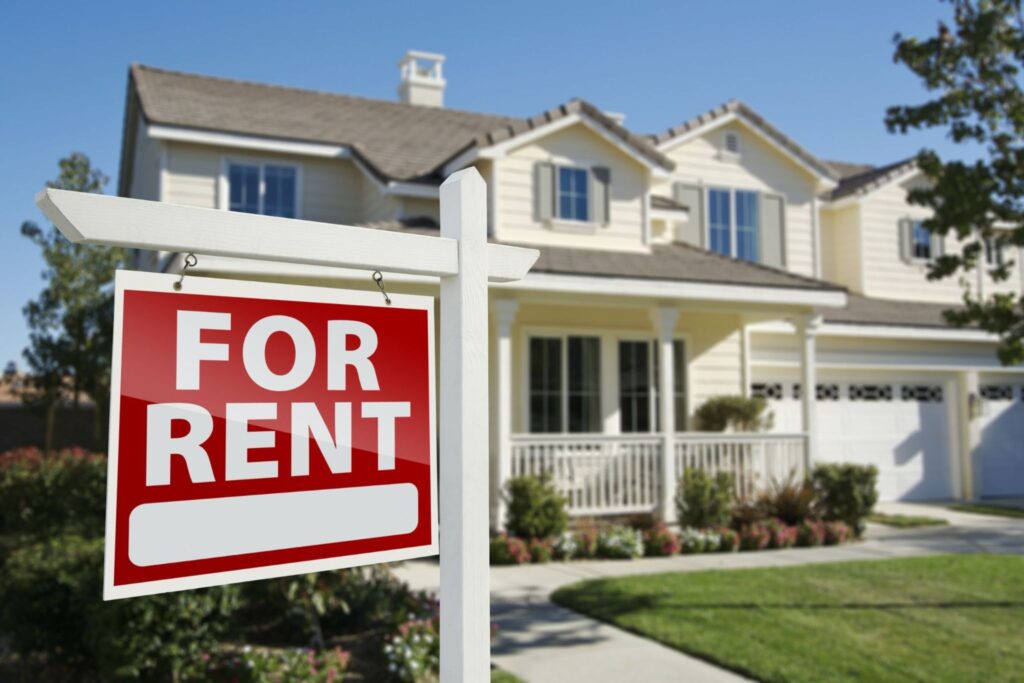
Keeping your home as a rental transforms it from a residence into an income-producing investment.
Instead of receiving one large payout today, you have the opportunity to generate value in multiple ways over many years.
1. Monthly Cash Flow
A well-performing rental can generate positive monthly cash flow after expenses.
For example:
- Monthly rent: $2,900
- Mortgage, taxes, insurance, HOA: $2,200
- Maintenance and reserves: $300
Estimated monthly cash flow:
Approximately $400 per month, or $4,800 annually.
Actual numbers vary significantly depending on financing, maintenance costs, vacancy, and local rental rates, but positive cash flow creates recurring income while you continue owning the asset.
2. Property Appreciation
Northern Colorado has experienced strong long-term home appreciation, although real estate values naturally fluctuate over time.
If a $650,000 home appreciates by an average of 4% annually, its value could increase by roughly:
- Year 1: +$26,000
- Year 5: Approximately +$140,000 in cumulative appreciation
- Year 10: More than +$310,000 in cumulative appreciation, assuming consistent annual growth
While appreciation is never guaranteed, long-term ownership allows homeowners to participate in future market gains.
3. Mortgage Paydown
Every mortgage payment gradually builds additional equity.
If tenants are effectively paying down your mortgage, your loan balance continues decreasing while your ownership stake grows.
Over 10 years, many homeowners accumulate tens of thousands of dollars in additional equity simply through principal reduction.
4. Potential Tax Benefits
Rental properties may qualify for valuable tax deductions, including:
- Mortgage interest
- Property taxes
- Insurance
- Repairs and maintenance
- Property management fees
- Depreciation
- Certain operating expenses
Because every situation is different, homeowners should consult a qualified tax professional regarding available deductions.
The Costs and Risks of Renting
Rental property ownership also comes with responsibilities and financial risks.
Potential challenges include:
- Unexpected maintenance and capital repairs
- Vacancy between tenants
- Property management expenses
- Non-paying or difficult tenants
- Market fluctuations
- Ongoing mortgage, tax, and insurance obligations
Some owners decide these responsibilities outweigh the long-term financial benefits. Others hire a professional property management company to handle leasing, maintenance coordination, rent collection, inspections, and tenant communication, allowing them to enjoy many of the investment benefits without managing the property themselves.
Which Option Makes the Most Financial Sense?
The right choice ultimately comes down to your financial goals. If you need to access your home's equity to purchase another property, invest elsewhere, or simplify your finances, selling may offer the greatest immediate value. On the other hand, if your goal is to build long-term wealth, generate ongoing income, and benefit from future appreciation, keeping the property as a rental may produce a stronger return over time. Neither option is inherently better. The key is determining which aligns most closely with your short- and long-term financial objectives.
Your decision should also take current market conditions into account. Northern Colorado continues to benefit from population growth, a diverse economy, major employers, and strong housing demand, all of which support both home values and rental demand over the long term, even as the market experiences normal cycles. Before deciding, compare the equity you could realize from a sale with the property's rental income potential after accounting for expenses, your remaining mortgage balance, and the likelihood of future appreciation. Looking at the complete financial picture (not just today's sale price or monthly rent) will provide a much clearer understanding of which option is likely to generate the greatest value.
Consult Local Real Estate Professionals
So, which option is most likely to maximize your financial return over the next five, ten, or twenty years? If you're weighing both possibilities, Black Bear Real Estate & Property Management can help with investment consulting services. We can help you compare your home's current market value with its rental income potential so you can make an informed decision based on projected returns, your financial goals, and the realities of today's Northern Colorado market. Give us a call today!