property management
November 12, 2026 · Black Bear Real Estate and Property Management
Winter Rental Property Maintenance: A Checklist for Northern Colorado Landlords
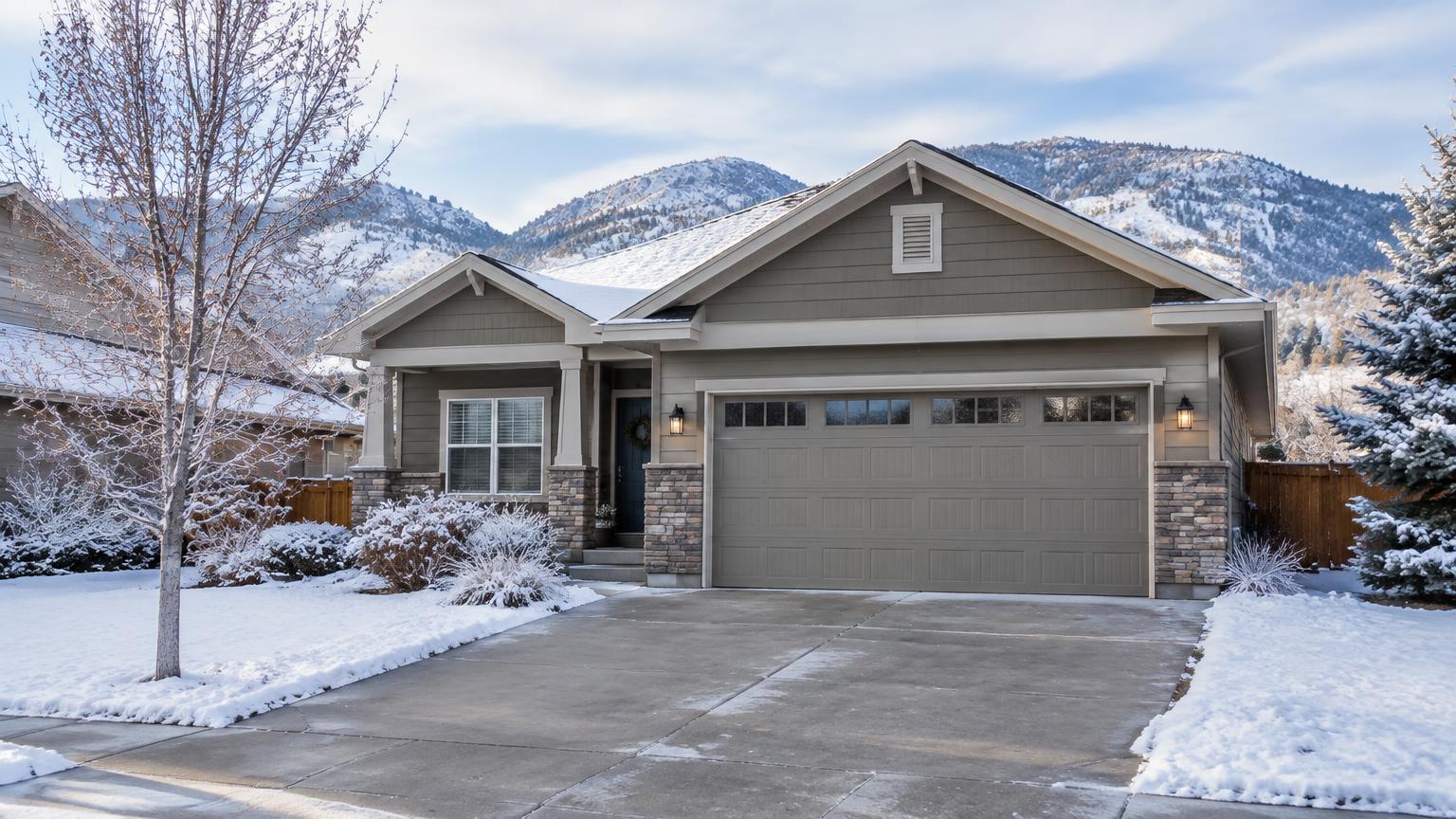
Owning a rental property in Northern Colorado comes with plenty of opportunities, but winter can bring a few headaches if you're not prepared.
Between freezing temperatures, unpredictable snowstorms, and the occasional dramatic temperature swing, Colorado weather can put your investment property through a lot. And if you're managing tenants at the same time, even a relatively small maintenance issue can quickly turn into an expensive problem.
At Black Bear Real Estate and Property Management, we know that taking care of a rental property means staying ahead of problems, not just responding when something breaks.
Whether you own a rental home in Fort Collins, Loveland, Windsor, or the surrounding communities, here's what you should know about preparing your property for winter.
What Winter Maintenance Should Landlords Prioritize?
The most important winter maintenance tasks for Northern Colorado rental properties include checking heating systems, protecting plumbing from freezing, inspecting roofs and gutters, testing safety devices, and preparing for emergency repairs.
These steps help protect the property, minimize unexpected expenses, and keep tenants comfortable when temperatures drop.
The goal isn't to make your rental completely immune to winter weather. That's not realistic in Colorado. It's to catch manageable issues before they become major repairs.
1. Make Sure the Heating System Is Ready
A functioning heating system isn't just a nice feature during a Colorado winter. It's essential.
When temperatures drop below freezing, a malfunctioning furnace can create serious problems for both tenants and the property itself.
Before cold weather arrives, it's worth scheduling a professional HVAC inspection to make sure everything is working properly.
Some important maintenance tasks include:
- Inspecting the furnace or heating system for performance issues
- Replacing dirty air filters when needed
- Checking thermostats and heating controls
- Making sure vents and air returns aren't blocked
- Addressing unusual noises or inconsistent heating
Small warning signs are easy to overlook, especially when the system is still producing heat. But waiting for a complete breakdown can leave you scrambling for repairs when HVAC contractors are already dealing with a high volume of winter calls.
For landlords, proactive heating maintenance is one of the simplest ways to reduce the risk of emergency repairs.
2. Protect Plumbing From Freezing Temperatures
Frozen pipes are one of those winter problems nobody wants to deal with.
When water freezes inside a pipe, pressure can build and damage the plumbing. The real trouble often begins when temperatures rise and the damaged pipe starts leaking.
Depending on where the pipe is located, that can mean damaged drywall, flooring, cabinets, or other parts of the property.
To reduce the risk, landlords should:
- Disconnect and store exterior hoses
- Shut off and drain outdoor water lines where appropriate
- Check exposed pipes in crawl spaces, garages, and other unheated areas
- Arrange insulation for vulnerable plumbing
- Inspect for existing leaks or damaged pipe insulation
- Make sure tenants know how to report plumbing concerns promptly
It's also important to establish a plan for vacant rental properties.
An empty home still needs appropriate heating and regular checks during freezing weather. Otherwise, a plumbing issue could go unnoticed until significant damage has already occurred.
Knowing the location of the property's main water shutoff can also make a big difference during an emergency.
3. Don't Forget the Roof, Gutters, and Drainage
Winter maintenance isn't limited to what happens inside the home.
Northern Colorado properties can experience snow accumulation, melting ice, and repeated freeze-thaw cycles. These conditions can expose existing problems with roofing, gutters, and exterior drainage.
A clogged gutter might not seem urgent in October or November, but when temperatures start fluctuating, trapped water can create additional problems.
Before winter, consider:
- Removing leaves and debris from gutters
- Checking downspouts for blockages
- Looking for damaged or missing roofing materials
- Inspecting areas around vents, flashing, and roof penetrations
- Making sure water drains away from the foundation
- Checking exterior walkways and stairs for potential hazards
If the property has mature trees, it's also worth looking for damaged or overhanging branches that could become a problem during heavy snow or strong winds.
Roof inspections and hazardous exterior maintenance should be handled by qualified professionals.
The bottom line? Water damage doesn't always start with a major storm. Sometimes it starts with a small drainage problem that nobody noticed.
4. Check Smoke Alarms and Carbon Monoxide Detectors
Safety equipment deserves just as much attention as heating and plumbing.
Winter often means more time indoors and more frequent use of heating equipment.
Property owners should make sure smoke alarms and carbon monoxide detectors are functioning, properly installed, and maintained according to applicable requirements.
A winter maintenance inspection is a good opportunity to:
- Test alarms according to manufacturer instructions
- Replace batteries where required
- Check expiration or replacement dates
- Verify that devices are installed in required locations
- Arrange professional service for potential fuel-burning equipment concerns
Avoid assuming that a device is working simply because it hasn't been making noise.
Landlords should also review current Colorado and local requirements when determining their specific responsibilities.
Good maintenance is about preventing avoidable risks, not just protecting the property's financial value.
5. Communicate Winter Responsibilities to Tenants
Even a well-maintained property can run into problems when expectations aren't clear.
For example, who handles snow removal? What should tenants do if the heat stops working? Who should they contact if they notice a leak?
These questions are much easier to answer before an issue happens.
Before winter, landlords should review their lease agreements and communicate any relevant procedures for:
- Reporting heating or plumbing problems
- Snow and ice removal responsibilities
- Maintaining adequate heat during cold weather
- Reporting leaks or signs of frozen plumbing
- Accessing emergency maintenance assistance
- Preparing the property during extended absences
Snow removal duties and other maintenance responsibilities can depend on lease terms, property type, and local rules. Make sure your instructions reflect the actual obligations of both the owner and tenant.
Clear communication helps everyone understand what needs to happen.
And when tenants know where to turn for help, problems are more likely to be reported before they get worse.
6. Have a Plan for Winter Maintenance Emergencies
Some repairs simply can't wait until Monday morning.
A failed heating system during freezing weather, a burst pipe, or a serious water leak needs prompt attention.
For landlords managing properties themselves, these situations can be especially stressful.
You need to find the right contractor, coordinate property access, communicate with the tenant, and make sure the repair is completed properly.
That's a lot to manage when you're also balancing work, family, or other properties.
A reliable winter emergency plan should include:
- Current tenant contact information
- Trusted plumbing and HVAC contractors
- A clear process for urgent repair requests
- Property access procedures that follow applicable rules
- Documentation for completed repairs
- A way to communicate updates to both tenants and owners
Working with a local property management company can make this process much easier.
Black Bear Real Estate and Property Management provides property maintenance and repair coordination throughout the Fort Collins area, including routine upkeep, seasonal maintenance, and emergency repair coordination.
7. Keep Maintenance Records and Plan Your Budget
Winter property maintenance isn't just another expense. It's part of protecting your investment.
Keeping detailed records of inspections, repairs, and maintenance requests helps you understand the condition of your property over time.
It can also help you identify recurring issues.
If a furnace requires repeated repairs, for example, it may be time to evaluate whether continued repairs make financial sense compared with replacement.
The same applies to aging plumbing, drainage problems, or other systems that seem to require attention every winter.
A practical maintenance budget should account for routine upkeep, occasional repairs, and unexpected problems.
Regular attention also makes it easier to plan future improvements instead of being caught off guard by an expensive repair.
Frequently Asked Questions About Winter Rental Maintenance
What maintenance should a landlord do before winter in Colorado?
Landlords should prioritize heating system inspections, exposed plumbing protection, roof and gutter maintenance, safety equipment checks, and emergency repair planning. The exact maintenance needs depend on the property's condition, age, and location.
Can frozen pipes damage a rental property?
Yes. Frozen pipes can crack or burst, leading to water damage when the ice thaws. Protecting vulnerable pipes, maintaining adequate heat, and responding quickly to plumbing problems can help reduce the risk.
Who is responsible for snow removal at a rental property?
Snow removal responsibilities depend on applicable local rules, the property type, and the lease agreement. Landlords should confirm their obligations and communicate clearly with tenants before winter weather arrives.
Can a property management company handle winter repairs?
Yes. A full-service property management company can help coordinate seasonal inspections, contractor visits, emergency repairs, and tenant communication. This can be especially helpful for owners who live outside the area or manage multiple rental properties.
Protect Your Northern Colorado Rental Property This Winter
Winter maintenance doesn't have to mean constantly worrying about what might go wrong.
With regular inspections, reliable contractors, and a clear maintenance plan, you can reduce unexpected problems while keeping your property in good condition.
At Black Bear Real Estate and Property Management, we help rental property owners throughout Fort Collins, Loveland, Windsor, Berthoud, and the surrounding Northern Colorado communities stay on top of property maintenance.
From seasonal upkeep to emergency repair coordination, we're here to take the day-to-day work off your plate.
Want dependable maintenance support for your rental property?
Schedule a free consultation with Black Bear Real Estate and Property Management and let's talk about how we can help protect your investment.